Treasury and liquidity
Today
The forecast is built by hand and revised with every balance change.
With the UPX AI Agent
The agent cross-references the connected history and flags periods of pressure and idle funds.

Analyzes, reconciles and flags inside the systems and sources defined in the project. The autonomy is yours to grant, and to limit.Start free for 7 days*
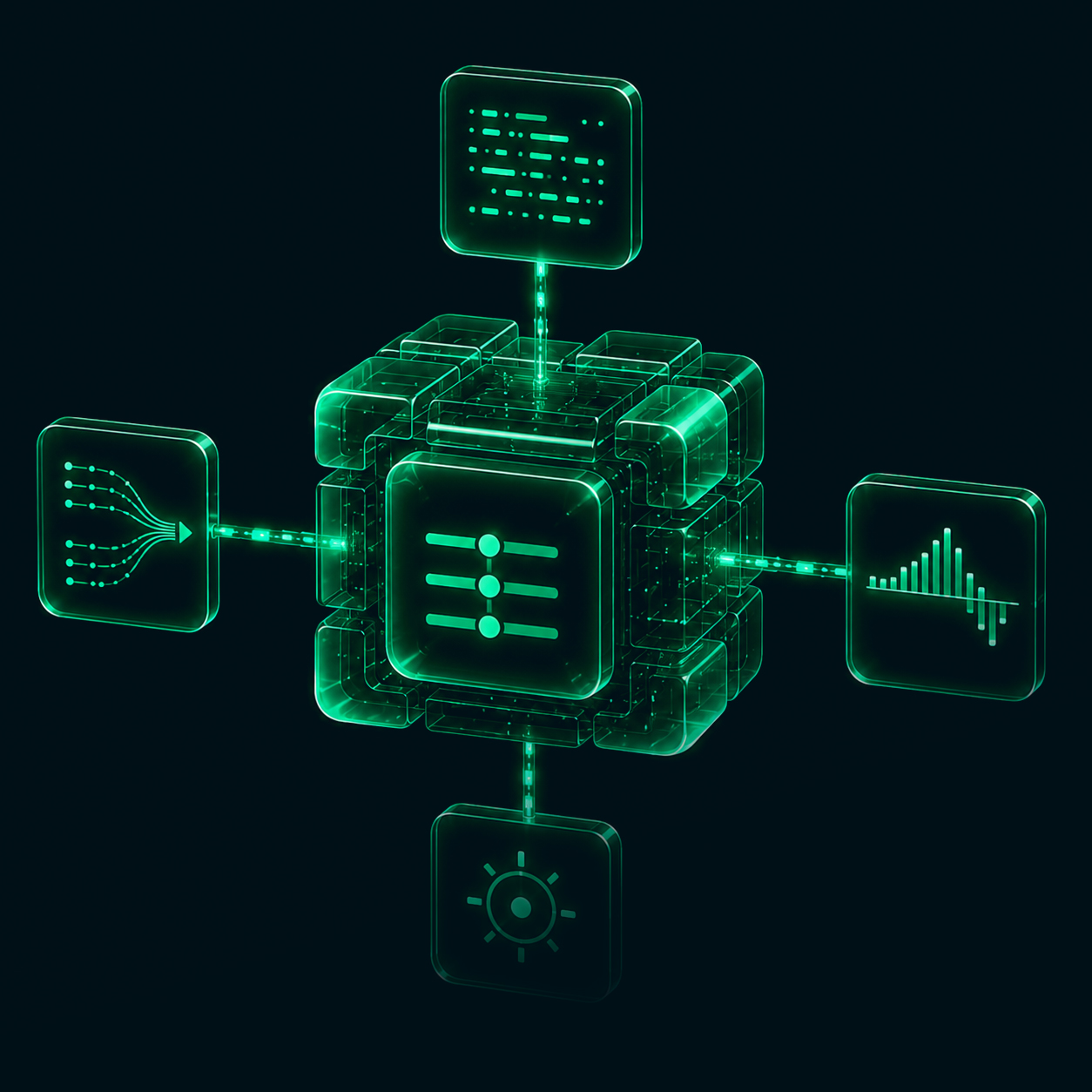
Connect your company systems and define what the agent can consult, decide and execute. See examples of processes that can be automated.
Today
The forecast is built by hand and revised with every balance change.
With the UPX AI Agent
The agent cross-references the connected history and flags periods of pressure and idle funds.
Today
The deviation shows up at closing, once the decision has already passed.
With the UPX AI Agent
The agent monitors patterns and recurrence and flags the deviation the same day.
Today
Due dates and pending items scattered across email, system and spreadsheet.
With the UPX AI Agent
The agent organizes the queue by value and deadline and returns what needs approval.
Today
The team cross-checks statements, system and entries by hand until they match.
With the UPX AI Agent
The agent reconciles and returns only the discrepancies that need a decision.
Connect your agent to+0tools.
Slack
The agent's specialization is not only in what it knows how to do. It is in how it is allowed to act inside your company.
Define what the agent can trigger.
Sensitive data isolated per environment.
On the actions that require validation.
Of its operation in production.
Of what was consulted, proposed and approved.
Reviewed as usage evolves.
No new portal to learn. You ask, follow along and approve in the app that is already open. Scope, limits and audit trail are the same in every interface.
Questions and approvals from your phone, with answers in natural language. Useful for people who decide away from their desk.
The agent replies in the team's thread, flags what needs attention and takes approvals in one click.
For teams that already operate there. Commands, alerts and approvals inside the squad's channel.
Where you configure the rules, set the autonomy level per task, review the audit trail and browse the full history.
Switching interfaces does not switch the rules. Same scope, same limits, same log in all of them.
UPX treats every access to real systems as a privileged credential. You change the autonomy; isolation, traceability, safeguards, and scope remain in force across all four levels.








Choose the plan that matches the pace of your operation.
One shared AI employee for your entire team.
Click to see all available plans.
Everything on the platform, plus:
*The 7-day free trial is available exclusively on the $100 plan. All other plans start with immediate subscription.
Companies that trust UPX





Start free for 7 days* and see how an agent can operate within your company’s rules.
Start free for 7 days**Credit card required for activation. Free trial available exclusively on the US$100 plan.